
All our offices will be closed on July 29th for our annual firm summer gathering.
Partnership or Joint Venture? – Part 1

The Difference Most Entrepreneurs Don’t Realize (Yet)
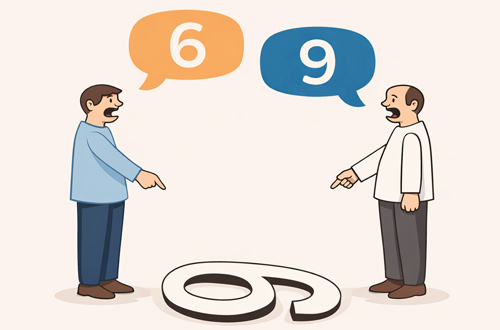
It usually starts with excitement. Two entrepreneurs connect. Ideas are flowing. There’s momentum, opportunity, and a shared “let’s do this” energy.
They talk through roles, rough numbers, and next steps. Maybe it’s over coffee. Maybe it’s a quick meeting squeezed between busy schedules. Someone says, “We’ll just start and figure the details out later.”
And just like that, the business begins.
What neither entrepreneur realizes is that, without intending to, they may have already created something far more complex than expected.
The Assumption That Trips People Up
Most entrepreneurs assume that working together is informal until paperwork says otherwise. In reality, the CRA doesn’t wait for paperwork. They look at how the business actually operates.
Things like:
- Are you sharing profits on an ongoing basis?
- Are you splitting expenses regularly?
- Are you both making day-to-day business decisions?
- Are you presenting yourselves to clients or suppliers as a team or business together?
If you answered “yes” to most of these, you may already be operating as a partnership — even if you never signed an agreement or used that word.
On the other hand, if you’re working together on a specific project, keeping finances mostly separate, and simply sharing the results of that one venture, you may be closer to a joint venture.
The tricky part? On the surface, both can look very similar.
Why the Distinction Matters Early
At first, everything feels fine. Profits are coming in. Trust is high. Decisions are easy. But eventually, questions start to surface:
- Who’s responsible if something goes wrong?
- Who reports what income?
- Who can make major decisions?
- What happens if one person wants out?
This is often the moment someone asks:
“Are we actually partners … or is this just a joint project?”
And by the time that question comes up, the CRA may have already made their own determination based on how things have been running.
The CRA Doesn’t Care What You Call It
You can call your arrangement whatever you want. The CRA will look at factors such as:
- Whether the activity is ongoing or for a single project
- How profits and losses are shared
- How much control each person has
- Whether finances are combined or kept separate
In many cases, entrepreneurs unintentionally fall into a partnership simply because the business looks and operates like one.
The Pause Worth Taking
Before things get complicated, it’s worth stepping back and asking:
- Are we building a long-term business together?
- Or are we collaborating on one specific opportunity?
- Are we sharing everything — or just the results of a project?
Understanding this early can help avoid unexpected tax issues, liability exposure, and difficult conversations down the road.
In our next blog, we’ll break down the key differences between a partnership and a joint venture, the risks of each, and how to decide which structure fits your situation — before it becomes a problem. If you have questions about your current business structure, reach out to Accent CPA for trusted advice and personal service!